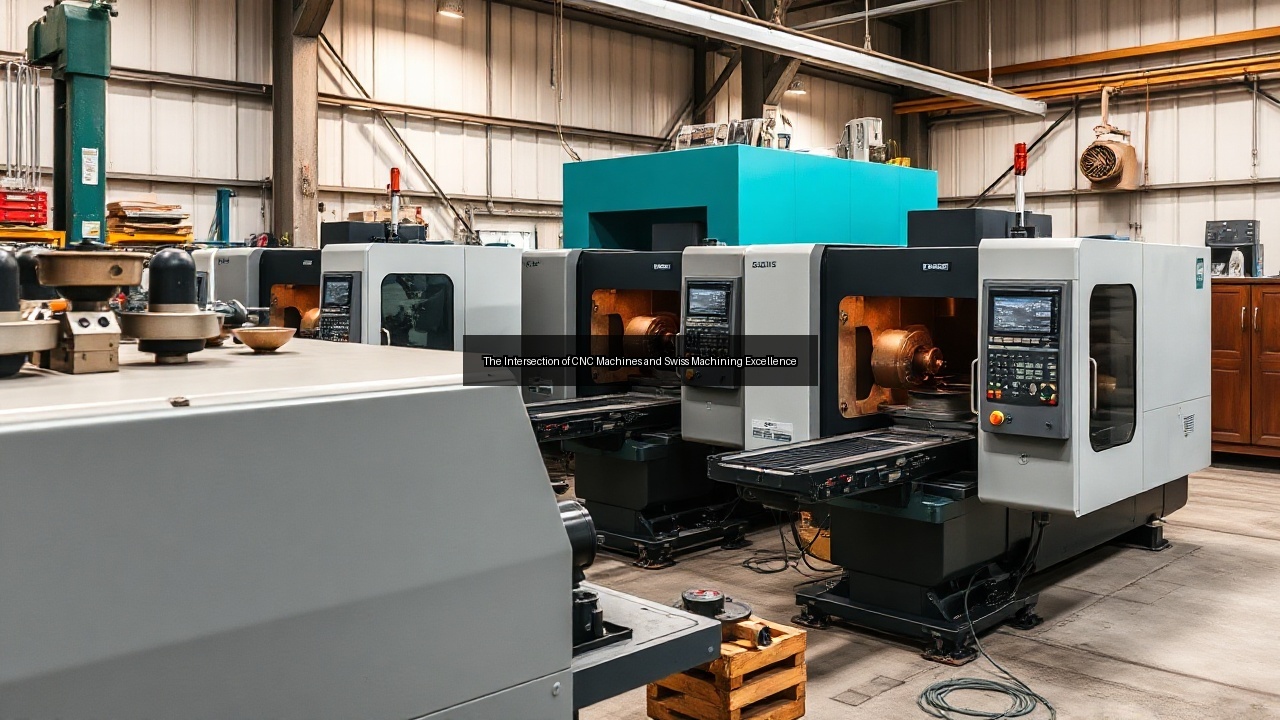
The Intersection of CNC Machines and Swiss Machining Excellence
Understanding Swiss Machining Technology
Overview of Swiss Machining Principles
Swiss machining, often referred to as Swiss turning, employs a unique set of principles that revolutionizes the way precision parts are manufactured. This technology originated in Switzerland, where it was initially developed for producing small, intricate components with high precision. The core principle revolves around the use of a Swiss cnc swiss machining lathe, which allows the workpiece to be held stationary while the cutting tools move in a linear motion. This setup minimizes the distance between the cutting edge and the material, resulting in superior accuracy and reduced waste. Swiss machining is particularly effective for producing complex geometries, offering exceptional surface finishes that meet strict tolerances.
Key Advantages of Swiss Style Lathes
Swiss style lathes provide numerous advantages that set them apart from traditional machining methods. One of the most significant benefits is their ability to handle small-diameter workpieces efficiently. Swiss lathes excel in producing high volumes of parts with intricate details, making them ideal for industries that demand precision, such as aerospace and medical device manufacturing. These machines can also operate at high speeds, drastically reducing cycle times. Furthermore, the automation capabilities of Swiss lathes enhance productivity, allowing for longer runs with minimal operator intervention. The combination of precision, speed, and efficiency makes Swiss machining a preferred choice for many manufacturers.
Comparison with Traditional CNC Machining
While both Swiss machining and traditional CNC machining serve the same fundamental purpose—manufacturing parts with precision—they differ significantly in their approach and capabilities. Traditional CNC machines often utilize a fixed workpiece and rotating tools, which can limit their effectiveness for small, complex parts. In contrast, Swiss machining's design allows for more intricate cuts and shapes, accommodating tighter tolerances. Additionally, Swiss lathes are equipped with multiple tools that can operate simultaneously, reducing production time and improving efficiency. The ability to quickly switch between different tooling setups further enhances the versatility of Swiss machining, making it a compelling choice for manufacturers focused on quality and speed.
The Role of CNC Machines in Swiss Machining
Integration of CNC Technology in Swiss Machining
CNC machines play a pivotal role in enhancing the capabilities of Swiss machining. The integration of CNC technology automates the machining process, allowing for greater precision and repeatability. Modern Swiss lathes are equipped with advanced CNC controls that manage every aspect of the machining process, from tool selection to spindle speed adjustments. This level of control ensures that manufacturers achieve consistent quality across large production volumes. Moreover, the programmability of CNC machines enables quick adjustments to machining parameters, accommodating changes in design or material without significant downtime. As a result, the marriage of CNC technology with Swiss machining practices propels productivity to new heights.
Enhancing Productivity through Automation
Automation significantly boosts productivity in Swiss machining environments. By reducing the need for manual intervention, automated Swiss lathes can run continuously, allowing for 24/7 production cycles. This capability is particularly advantageous for high-volume orders, where consistency and speed are paramount. Automation also minimizes the risk of human error, ensuring that each machined part adheres to the desired specifications. Additionally, automated systems can incorporate real-time monitoring and data collection, providing valuable insights into machine performance and operational efficiency. This data-driven approach allows manufacturers to optimize their processes, reduce waste, and improve overall productivity.
Software Solutions for Swiss Machining
Software solutions play a crucial role in the efficiency of Swiss machining operations. Advanced CAD/CAM software allows engineers to design intricate components and convert them into machine-readable code seamlessly. This streamlines the transition from design to production, ensuring that the final product matches the original specifications. Moreover, software can optimize tool paths, reducing machining time and enhancing the lifespan of tooling. Integration of software with CNC machines enables manufacturers to simulate machining processes, identifying potential issues before production begins. This proactive approach not only saves time but also minimizes costs associated with material waste and machine downtime.
Applications and Industries Utilizing Swiss Machining
Aerospace Components and Swiss Precision
The aerospace industry relies heavily on Swiss machining due to its unparalleled precision and ability to produce complex geometries. Components such as fuel injectors, landing gear parts, and turbine blades require tight tolerances and robust materials, often made from nickel or other exotic alloys. Swiss lathes can efficiently machine these materials while maintaining the quality necessary for aerospace applications. The combination of advanced tooling and intricate programming capabilities allows manufacturers to produce lightweight yet strong components that meet the stringent regulations of the aerospace sector. This precision machining not only enhances performance but also contributes to the safety and reliability of aircraft.
Machining Nickel and Other Exotic Materials
Swiss machining excels at working with difficult materials, such as nickel, titanium, and various high-strength alloys. These materials often present challenges due to their hardness and toughness, which can wear down conventional tooling quickly. However, Swiss lathes, with their precise control and specialized tooling, can effectively machine these exotic materials into complex components. The ability to maintain tight tolerances while machining tough materials is a critical advantage in industries like aerospace, medical, and automotive, where failure is not an option. Manufacturers employing Swiss machining can confidently produce parts that endure extreme conditions and demanding applications.
The Impact of Swiss Machining in Machine Shops
Swiss machining has transformed the landscape of machine shops by introducing efficiency and precision into everyday operations. Many machine shops have adopted Swiss style lathes to expand their capabilities and serve a broader range of industries. The demand for high-precision components has surged, compelling machine shops to invest in Swiss machining equipment that can handle intricate designs and high volumes. This shift not only improves the quality of the machined parts but also enhances the overall reputation of the machine shop. By offering Swiss machining services, shops can attract new clients and retain existing ones, ensuring long-term success in a competitive marketplace.
Future Trends in Swiss Machining
Emerging Technologies in Swiss CNC Machining
The future of Swiss machining looks promising, fueled by emerging technologies that continue to push the boundaries of precision manufacturing. Innovations such as additive manufacturing and hybrid machining techniques are becoming increasingly relevant. These technologies enable the integration of additive processes with traditional subtractive methods, allowing for the creation of complex geometries that were previously unattainable. Additionally, advancements in tooling materials and coatings enhance durability and performance, making it possible to machine even tougher materials more efficiently. As these technologies evolve, they will further enhance the capabilities of Swiss CNC machining, ensuring that manufacturers remain competitive in a fast-paced industry.
Sustainable Practices in Machining Parts Production
As environmental concerns grow, sustainable practices in machining parts production have gained traction. Swiss machining, with its precise material removal capabilities, aligns well with sustainability goals by minimizing waste and optimizing resource use. Manufacturers are increasingly adopting eco-friendly materials and processes, such as using biodegradable cutting fluids and implementing energy-efficient equipment. Furthermore, recycling scrap materials from the machining process has become a common practice. By focusing on sustainability, manufacturers not only reduce their environmental impact but also appeal to a market that values corporate responsibility and eco-conscious practices.
Advancements in Tooling and Geometries
The evolution of tooling and geometrical designs plays a crucial role in enhancing Swiss machining capabilities. Manufacturers continuously seek out new tooling technologies that improve cutting efficiency and extend tool life. Innovations such as advanced geometries, coatings, and materials lead to better performance when machining difficult materials. Moreover, the development of customizable tooling solutions allows for tailored approaches to specific applications, further enhancing precision and productivity. As the industry embraces these advancements, Swiss machining will likely continue to set the standard for high-quality, efficient manufacturing.