Revolutionizing Storage Solutions with Industrial Dehumidifiers
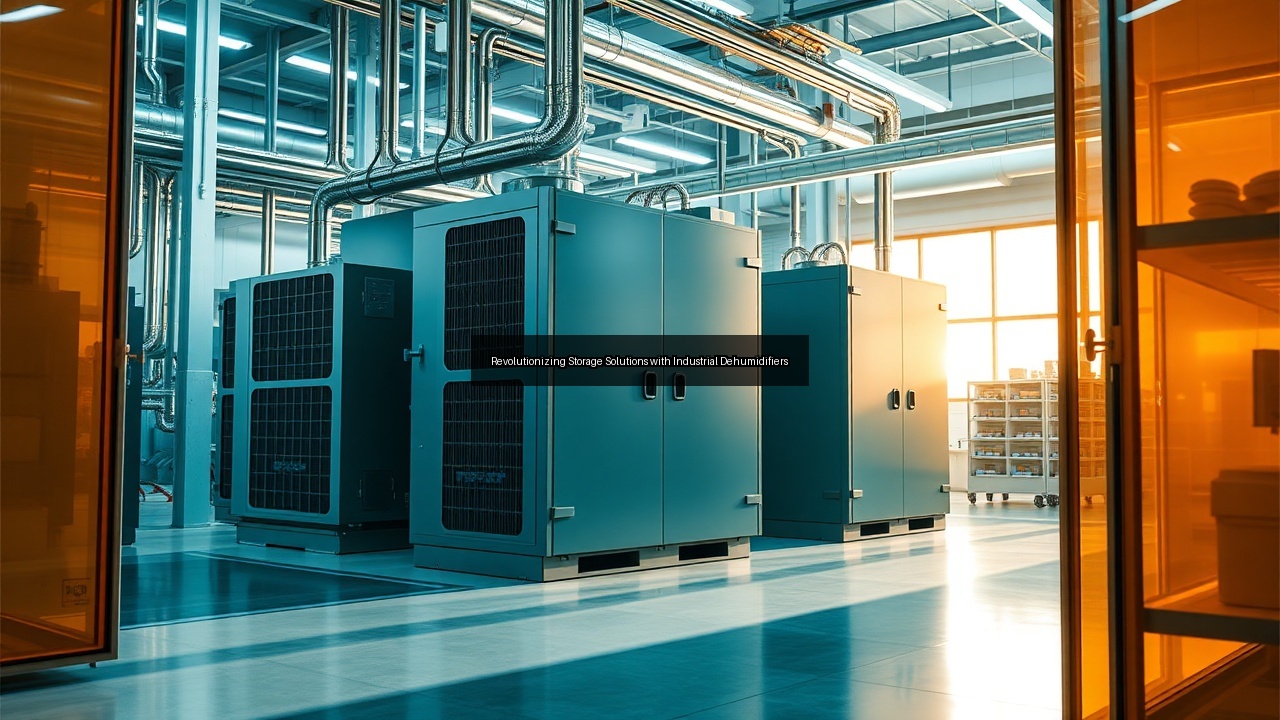
Understanding the Importance of Industrial Dehumidifiers
The Science of Dehumidification
Dehumidification plays a crucial role in controlling air moisture levels, particularly in industrial settings where humidity can adversely affect processes and products. An industrial dehumidifier functions by extracting excess moisture from the air, lowering the humidity levels, and maintaining optimal dew points. This is achieved through various methods, with the most common being refrigerant and desiccant technologies. Refrigerant dehumidifiers condense moisture using a cooling coil, while desiccant dehumidifiers use hygroscopic materials to absorb moisture. Understanding these mechanisms enables industries to select the most effective dehumidification solution tailored to their specific needs.
How Humidity Affects Different Industries
High humidity levels can significantly impact various industries, leading to spoilage, product degradation, and operational inefficiencies. In the pharmaceutical industry, for instance, excessive moisture can compromise the integrity of medicines, resulting in reduced efficacy. Similarly, in food packaging, high humidity can promote mold growth and spoilage, diminishing product quality and shelf life. Electronics manufacturing is not exempt; moisture can lead to corrosion and component failure. As such, maintaining appropriate humidity levels through effective dehumidification is essential for ensuring product safety, longevity, and overall operational efficiency across these sectors.
Key Benefits of Dehumidifiers in Industrial Settings
The advantages of utilizing industrial dehumidifiers extend far beyond simple moisture control. Firstly, they enhance product quality and safety by preventing mold growth, corrosion, and spoilage, thus preserving the integrity of goods across industries. Secondly, they contribute to energy efficiency by optimizing HVAC systems, allowing for better climate control. Reduced humidity levels can lower the burden on heating and cooling systems, leading to lower operational costs. Furthermore, dehumidifiers can improve workplace comfort and air quality, which enhances employee productivity and morale. Overall, investing in industrial-grade dehumidifiers proves beneficial for both operational and financial success.
Applications of Industrial Dehumidifiers
Dehumidifiers in the Pharmaceutical Industry
In the pharmaceutical industry, precise environmental conditions are non-negotiable. The presence of high humidity can lead to the degradation of sensitive compounds and formulations. Dehumidifiers play a vital role in maintaining the recommended humidity levels, ensuring that products remain effective and safe for consumption. By controlling air moisture, these dehumidifiers help prevent chemical reactions that could compromise the quality of medications. Moreover, they contribute to cleanroom environments where stringent regulations govern air quality. Incorporating industrial dehumidifiers into pharmaceutical facilities not only meets compliance standards but also safeguards consumer health.
Role of Dehumidifiers in Food Packaging
The food packaging industry relies heavily on the effectiveness of industrial dehumidifiers to maintain product quality and safety. High humidity can lead to condensation, which promotes the growth of mold and bacteria, ultimately compromising food safety. By implementing dehumidifiers, manufacturers can control moisture levels during the packaging process, ensuring that products remain fresh and free from contaminants. Furthermore, dehumidification extends the shelf life of packaged products, reducing wastage and enhancing profitability. The integration of these systems into food processing and storage facilities is essential for meeting industry standards and consumer expectations.
Enhancing Electronics Safety with Dehumidifiers
Electronics manufacturers face significant challenges related to humidity, as excessive moisture can lead to corrosion, short circuits, and component failure. Industrial dehumidifiers offer a proactive solution to these challenges. By maintaining low humidity levels, they protect sensitive electronic components during production and storage. Dehumidifiers are particularly critical in environments where electronic devices undergo assembly or testing, ensuring that the air remains free of excessive moisture. This protection not only enhances product reliability but also reduces the likelihood of costly returns and repairs. Therefore, adopting industrial dehumidifiers is a strategic move for manufacturers aiming to enhance product safety and performance.
Selecting the Right Industrial Dehumidifier
Factors to Consider: CFM and Blower Types
Choosing the right industrial dehumidifier involves understanding several key factors, including the required airflow measured in cubic feet per minute (CFM) and the type of blower used. CFM indicates the volume of air the dehumidifier can process within a specific time frame. Higher CFM ratings generally translate to faster and more effective moisture removal. Additionally, the type of blower affects efficiency; options include centrifugal and axial blowers, each offering different advantages depending on the application. Evaluating these factors allows businesses to select a dehumidifier that meets their specific air moisture management needs effectively.
Evaluating Dehumidifier Technologies: Desiccant vs. Refrigerant
Understanding the two primary technologies—desiccant and refrigerant—is essential when selecting an industrial dehumidifier. Desiccant dehumidifiers excel in low-temperature environments and can achieve lower humidity levels by utilizing moisture-absorbing materials. They are ideal for applications requiring stringent drying processes, such as in pharmaceuticals and electronics. In contrast, refrigerant dehumidifiers operate by cooling air to condense moisture, making them suitable for larger spaces and higher humidity conditions. Evaluating the specific requirements of your application can guide the selection of the most appropriate technology, ensuring optimal performance and efficiency.
Troubleshooting Common Issues with Industrial Dehumidifiers
Regular maintenance and troubleshooting are key to maximizing the lifespan and efficiency of industrial dehumidifiers. Common issues include reduced performance due to clogged filters or incorrect settings. Regularly checking and replacing filters can significantly improve airflow and efficiency. Additionally, monitoring the unit for unusual noises or leaks can help identify mechanical issues early on. Understanding the specific features and functions of your dehumidifier can facilitate effective troubleshooting. Investing time in maintenance not only prolongs the life of the equipment but also ensures that it continues to deliver optimal performance in moisture control.
Integrating Dehumidifiers with HVAC Systems
Optimizing Climate Control in Industrial Spaces
The integration of industrial dehumidifiers with HVAC systems creates a synergistic effect that optimizes climate control in industrial environments. By working together, these systems can effectively industrial-grade dehumidifers manage both temperature and humidity, leading to improved air quality and comfort. Dehumidifiers reduce the overall load on HVAC systems, allowing them to operate more efficiently and maintain consistent conditions. This integration is particularly beneficial in industries where precise environmental conditions are crucial, such as pharmaceuticals and food processing, where even slight fluctuations can have significant consequences.
Impact on Energy Efficiency and Operational Costs
Incorporating industrial dehumidifiers into HVAC systems can lead to substantial energy savings. By controlling humidity levels, dehumidifiers reduce the strain on cooling systems, which typically work harder in high humidity conditions. This enhanced efficiency translates to lower energy consumption and reduced operational costs. Over time, the investment in a quality dehumidifier pays off through decreased energy bills and prolonged HVAC life. Businesses seeking to improve their bottom line should consider the financial benefits of integrating dehumidification into their climate control strategies.
Best Practices for Maintenance and Operation
To ensure the longevity and effectiveness of industrial dehumidifiers, following best practices for maintenance and operation is essential. Regularly inspect the unit for signs of wear and tear, and adhere to a routine cleaning schedule for filters and coils to maintain optimal airflow. Monitoring humidity levels and adjusting settings based on environmental changes can enhance performance. Additionally, consulting the manufacturer's guidelines for specific maintenance requirements helps in troubleshooting potential issues before they escalate. Implementing these practices not only maximizes the efficiency dehumidifiers for industrial locations of dehumidifiers but also contributes to a healthier workplace environment.